AT&T’s copper line shutdown has begun
 | September 18, 2026 | 8 min read |

Copper lines are disappearing—and your emergency systems may be at risk.
AT&T has officially started phasing out its copper POTS (Plain Old Telephone Service) lines. This is the infrastructure that businesses and communities have relied on to power critical infrastructure for more than a century, but it’s finally coming to an end. For organizations, the question was never if copper will go away, but when. And the answer is finally here.
The urgency around copper retirement is only increasing. In March 2026, the FCC took additional steps to accelerate the transition by removing key regulatory hurdles that once slowed providers down from retiring legacy networks. These changes eliminate requirements for network change disclosures, streamline the approval process for discontinuing copper-based services, and reduce the need for case-by-case filings when phasing out legacy lines. This means carriers now have fewer barriers to discontinuing copper line service. Combined with AT&T’s 2025 to 2029 shutdown timeline, this shift signals that the window for maintaining traditional POTS lines is shrinking faster than many businesses expect.
FCC filing update addresses timing and scale of the shutdowns
A recent FCC filing from AT&T reinforces that the shift away from legacy copper POTS phone lines is actively moving forward. In the filing, AT&T requests authority to discontinue legacy TDM-based voice services (“POTS”) on or after November 15, 2026, impacting approximately 90,000 customers across portions of certain wire centers in 18 states. For organizations still relying on POTS lines for fire panels, elevator phones, alarm panels, and other critical lines, this is a clear signal to identify remaining analog dependencies now and put a replacement plan in place before retirements in your region create disruption, delays, or limited options.
The shutdown timeline
AT&T’s retirement of its legacy copper phone line network is happening in phases rather than through a single nationwide shutdown. The first major milestone came on October 15, 2025, when AT&T stopped accepting new orders, moves, and changes for many copper-based services across nearly 20 states. The company has stated that it expects to retire copper-based services across the vast majority of its footprint by the end of 2029.
AT&T shared this plan at its December 2024 investor conference. Susan Johnson, Executive Vice President of Global Connections and Supply Chain, said, “The bottom line is we expect to no longer provide copper-based services across the vast majority of our footprint by the end of 2029.” CEO John Stankey confirmed this during the fourth-quarter earnings call, explaining that the company will retire about 1,300 central offices as customers switch to fiber and wireless services.
AT&T copper retirement timeline
- September 2026: In an investor conference, AT&T’s CFO, Pascal Desroches, declared: “By the end of this year, we will no longer have to offer copper in 85%+ of our footprint. We can discontinue in about 30% of our footprint. Those percentages will grow over the next several years.”
- July 2026: AT&T filed a new FCC Section 214 application covering residential POTS, business POTS, and certain legacy wireline VoIP services across portions of 55 wire centers in 13 states. If approved, service discontinuances could begin as early as October 16, 2026.
- June 2026: AT&T started permanently decommissioning copper infrastructure in approximately 500 wire centers (roughly 10% of network footprint) nationwide following FCC approval for the first wave of discontinuance projects. This was not simply a restriction on new service orders, but the physical retirement of the underlying network infrastructure.
- April 2026: AT&T submitted additional FCC applications to discontinue copper-based services in multiple markets, expanding the number of affected wire centers as its network modernization continued.
- January 2026: AT&T announced additional planned copper retirements in new markets, continuing its phased transition away from legacy copper infrastructure.
- October 15, 2025: AT&T stopped accepting new installations, moves, and changes for many legacy copper services across nearly 20 states, marking the beginning of the operational phaseout.
- December 2024: AT&T announced its goal of retiring copper-based services across much of its network footprint by the end of 2029.
What this means for businesses
The move away from copper is already happening. As AT&T gets FCC approval to end service in more areas, it is retiring copper infrastructure one wire center at a time. If your organization uses POTS lines for things like elevator phones, fire alarms, security systems, fax machines, emergency call boxes, or backup connections for point-of-sale systems, you should find those analog lines and make a plan to switch before service ends at your locations.
Since the retirement is happening in different markets at different times, organizations should watch for FCC discontinuance notices and updates from their service providers to know when their locations might be affected. For the latest updates, check the FCC’s Electronic Comment Filing System (ECFS) for Section 214 discontinuance notices.
The hidden dependencies on copper phone lines
It’s tempting to shrug and say, “We don’t use landlines anymore.” But copper powers far more than phone calls. Many critical systems still depend on it, including:
- Fire alarm panels that alert emergency services to potential disasters.
- Elevator emergency phones for passenger safety and building code requirements.
- Public safety phones across parking lots, campuses, and other public spaces.
- Security alarm systems that secure facilities and keep tenants protected from intruders.
- Emergency call boxes and blue light safety phones.
- Fax machines that are still used by many property managers and in healthcare applications.
- Medical monitoring devices, for at-risk patients in hospitals.
If these connections disappear without a plan in place, organizations risk losing essential safety and compliance tools overnight which will come with some serious risks.
The risk of inaction
As AT&T phases out copper lines, organizations that haven’t prepared will face serious consequences, including:
- Safety code violations: Many local fire and building codes specifically require working emergency communication systems. A non-functional elevator phone or fire alarm connection could result in citations, fines, or even building closures.
- Insurance issues: Property insurance policies often mandate functional fire and security alarm systems. Loss of monitoring capability could void coverage or drastically increase premiums.
- Service disruptions: AT&T has already received approval to stop all new copper-based inward orders in 60 wire centers across 13 states, with many more approvals pending. Once AT&T stops supporting copper lines in your area, getting landline service restored becomes increasingly difficult—and eventually impossible.
The financial reality driving change
AT&T reportedly spends $6 billion annually to maintain its copper network, which spans the company’s 500,000-square mile local service footprint, yet only 5% of customers still use copper voice technology. The economic case for transitioning away from copper is compelling for AT&T, and that’s before you factor in the people cost, as copper networks require a significant amount of labor to maintain. To top that off, copper lines are highly valued and subject to ever-rising rates of copper theft, a growing problem since the early 2000s, with the FBI deeming it as a threat to critical US infrastructure. Thieves stealing copper wires are causing power and phone outages, exposing live wires, and even disrupting emergency services.
Companies such as AT&T and BT Group are trying to recover 800 million metric tons of copper lines over the next decade, worth over $7 billion.
Between 2021 and 2023, AT&T recycled more than 14,000 tons of copper and expects this part of its business to increase. The cables are being pulled out of the ground, stripped for the copper then sold at profits that top 30% after extraction, recovery and processing.
Clearly, carriers want out of the copper line business to increase their overall bottom lines.
The answer: Modern POTS replacement technology
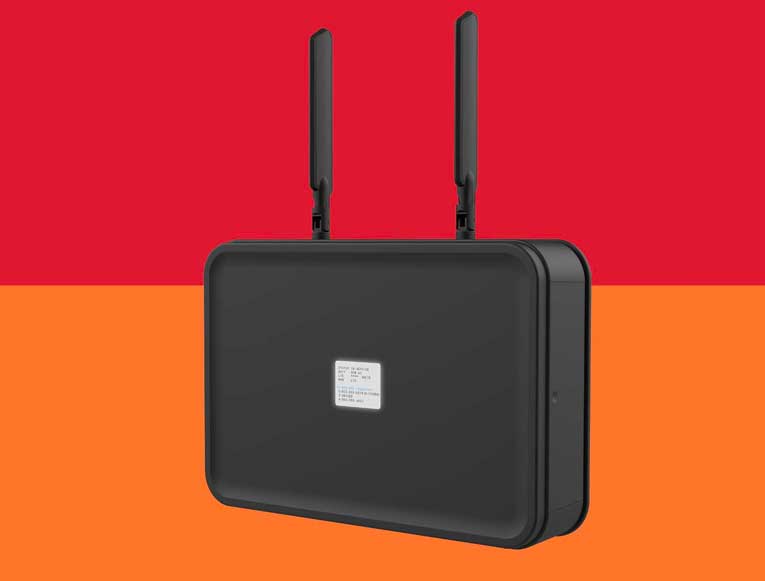
The good news is that a proven alternative exists to keep critical devices operational as copper networks disappear. POTS replacement solutions, like Ooma AirDial®, are drop in devices that allow you to transform your existing analog lines into a dedicated wireless network.
Ooma AirDial delivers the path away from POTS line dependency. It is an award-winning, all-in-one solution designed to support all devices that traditionally relied on POTS lines. Ooma AirDIal provides:
- Broad compatibility with fire alarms, elevator phones, entry systems, and other POTS-dependent devices .
- Active/Active LTE and ethernet connectivity that routes traffic simultaneously to ensure that calls stay connected.
- Simple installation options, from DIY deployment to full white-glove turnkey service.
- Enterprise-grade reliability designed for critical applications across large scales deployments.
Don’t Wait Until It’s Too Late
With the October 15 deadline already here and the complete shutdown scheduled for 2029, the time to act is now. Here’s why immediate action is critical:
- Limited support window: AT&T is providing five years’ notice about eliminating its copper network to give the company, the FCC and consumers time to prepare, but as AT&T reduces copper infrastructure maintenance, service quality will decline even before final shutdown dates.
- Planning and implementation time: Identifying all POTS-dependent devices, evaluating solutions, and executing migrations takes time—especially for organizations with multiple locations.
- Supply chain considerations: As awareness of the copper shutdown grows, demand for replacement solutions will likely surge, potentially creating supply constraints and extended lead times.
- Testing and Validation: New systems need proper testing to ensure they meet code requirements and function correctly in emergency situations.
Take Action Today
With organizations from across nearly 20 states being affected, this is happening now. While it can be scary and overwhelming, there are steps you can take right now to help your business.
Protect your emergency devices and maintain compliance
Don’t put your critical communication systems at risk by waiting until copper service is discontinued in your area. Contact the POTS replacement experts today to learn how AirDial can keep your essential devices running reliably through the transition and beyond.
The era of copper is ending, but with the right preparation, your critical systems can continue protecting lives and property without interruption.
Ready to future-proof your critical communications? Reach out to learn more about AirDial and how it can seamlessly replace your copper POTS lines before the shutdown affects your operations.
Sources:
- Light Reading – “How (and when) AT&T will kiss copper goodbye” (December 2024)
- Telecompetitor – “AT&T Plans Copper Retirement By 2029: Here’s How” (December 2024)
- Fierce Network – “AT&T bumps fiber-passing goal to 50M and creates a landline phone replacement” (December 2024)
- USA TODAY – “AT&T to eliminate copper wire phone lines to most users” (December 2024)
- Mobile World Live – “AT&T CEO outlines copper retirement plan” (January 2025)
- Light Reading – “AT&T’s copper retirement plan plows ahead” (September 2025)

We’ll follow up within a business day.

We’ll help you analyze whether Ooma AirDial is a good solution for your needs.

A custom quote will be generated.
Tonya Hottmann is the director of marketing for Ooma AirDial. She has 20 years of experience in demand generation, growth marketing and product launches, including 10 years in the telecommunications industry.




Still using POTS lines?
See where they still support critical systems.
Call sales at:
866-902-6765
Thank you!
An Ooma AirDial Sales Representative will be in touch shortly.
866-839-5810



Check your POTS Line Readiness
Download the checklist to review your active POTS lines and connected systems.


