

From dial tone to data: The journey of a building system upgrade
 | February 18, 2026 | 7 min read |
You may think a building is complete when construction is, but most buildings are never truly finished. As a building ages, it will eventually need to replace outdated mechanical, electrical or plumbing components with newer, more efficient technology.
This ongoing, long-term maintenance is often referred to as a building system upgrade, refurbishment, or retrofit. It can be a long, complicated process, but it’s a necessary one. Let’s take a look at all the steps needed to complete upgrades to building systems.
Assessment
The first step to any building system upgrade is always analyses. In this step, you’re looking at all your building systems to identify possible inefficiencies. There are a couple of ways to specifically do this.
The first is to look at any data you might have. For example, if you have an HVAC system maybe your energy use is growing because it’s not as efficient as it used to be. Or, maybe your bills are rising.
Rising bills are usually a good first indicator something is wrong. For example, if you have a number of systems reliant on the aging copper wires of Plain Old Telephone Service (POTS) you’ll notice your bills rising sharply due to legacy carriers raising prices and dropping maintenance standards as they step away from the dying tech.
But how do you actually carry out an assessment? It really depends on the situation you’re encountering. If you want to assess your electrical systems, for example, you will likely have to work with your building owner or – if you are a building owner – your local utility.
Other systems have natural, annual inspections. For example, elevators have annual inspections. If there are any issues, some of these inspections from regulators or utilities will likely unveil some of them.
Outside of these annual inspections, assessments can look a little different. Just like you can get sick in between doctor’s check-ups, your building systems can show signs they need replacement at any time.
The two most likely ways you will be able to assess things are outages and bills. For example, if your internet keeps going out it’s probably time to call up your provider and do an assessment on what’s going on and why. This could include looking up your speeds and comparing it to how it’s done in the past, measuring how long downtime is and how often and checking on more niche data like ping and latency.
Other assessments are easier to see via paying close attention to your bills. How much is your average bill? Is your bill creeping up slowly month over month? Is there a sharp rise that keeps climbing with no stop in sight? These are all signs it’s time to do an assessment. This happens quite often with copper-based communication lines.
And finally, monitoring available data can be a good way to check in on things. For example, if you notice your HVAC usage is plateauing, but your bill keeps rising, it’s time to look at why. These kinds of assessments can be done every month.
Once you identify areas of inefficiency it’s time to start planning for possible paths to system upgrades.
Planning
The first thing you’ll need to do in the planning stage is to identify how you can solve these inefficiencies. It’s going to vary based on the building systems you’re looking at, but there are usually two pathways:
Rip and replace
This would rip out your old systems and replace them with new ones. This could mean replacing electrical wiring or getting a new HVAC system or upgrading from copper wire to fiber optics.
Because of how expensive and time-consuming this option tends to be, it’s best when major renovations are already planned. For example, upgrading to fiber optics often involves tunneling to install new wires and then drilling holes into your comm rooms and running wires in places your infrastructure needs to be adjusted for.
It also makes sense during times when your systems are past end-of-life and you need a wholesale change or you need major capacity upgrades. The basic way to think about it is that the more overall work you need done the more it makes sense to go rip and replace.
Bridge solutions
These solutions often solve problems by keeping your legacy infrastructure in place while also upgrading them enough to solve old inefficiencies.
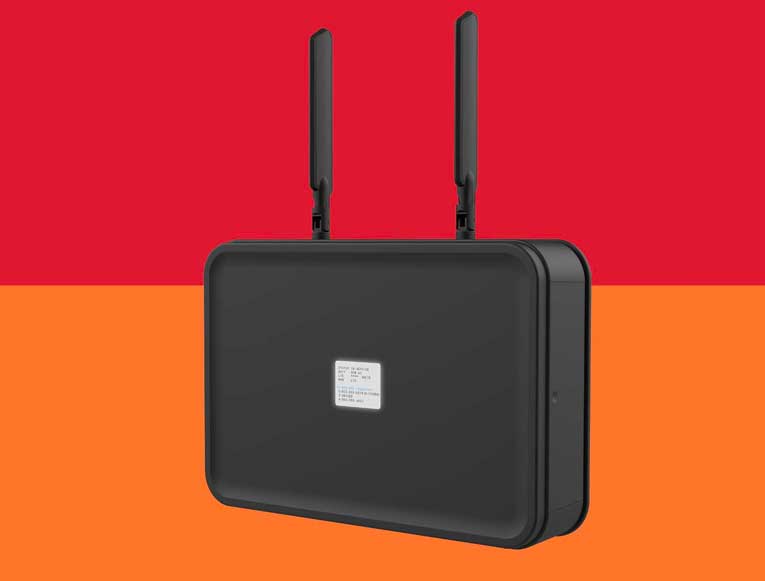
For example, you could find a bridge to allow your old HVAC systems to work with more modern control systems, giving you more control and allowing you to manage them more efficiently. For POTS lines, that would be something like Ooma AirDial, which allows you to replace your reliance on copper wires with a digital connection that adds more efficiency features to systems like elevator phones, alarm systems and more.
Bridge solutions make more sense when you don’t need big, major changes. If your systems are working reliably enough and aren’t end-of-life, then you don’t need to fix what isn’t broken. In a way, you could think of bridge solutions as a way of fixing unintended problems. For example, if your phone bill is exploding because you rely on copper wire for systems like elevator phones or blue light boxes then you’re trying to solve the rising prices not your phone line. Using a system like AirDial solves that issue without making wholesale changes to your entire system.
These solutions are also best when you need to keep up with compliance or you’re worried about potential disruptions to your business or tenants.
Code Compliance
The most important part of any building system upgrade planning is code compliance. Building codes are updated regularly and it’s an important part of building management to make sure they are observed and kept up with.
The codes your building needs to comply with are going to vary based on local regulations. For example, if you have a building in California you need to follow seismic codes. Failure to comply with building codes can result in heavy fines for each day you are in violation, liability if anything happens and mandatory enforcement that forces you to retrofit your building.
There are a number of general codes you should be aware of, they include:
- International Building Code
- International Residential Code
- International Existing Building Code
- International Green Construction Code
- International Energy Conservation Code
- International Fire Code
- International Wildland-Urban Interface Code
- And of course, there are local fire codes you need to abide by.
Overall, from lighting to emergency systems, compliance is crucial to making sure your building safety is up to par. Make sure you get your datasheets in order and you know what regulations your building needs to adhere to and the status for not only your current systems, but your future retrofits too.
System upgrades
Now it’s time to deploy those system upgrades. There are a lot of things you need to keep in mind during this stage of the process, including the following:
- What is the total cost of ownership?
- What are potential long-term costs?
- What support will be needed?
- What are the vendor contract terms and risks?
- What cybersecurity risks are there?
- What are the remote monitoring capabilities?
- Is the solution scalable?
- What are the upgrade and/or replacement paths?
- What maintenance schedules would need to be considered?
- Is the vendor reliable and healthy enough to be around for a while?
These kinds of questions are only answerable by the specific solution you’re looking at. For example, you may have three different options making the case for POTS replacement for you. They’re going to offer different features or support. It’s up to you to decide which one is the best for your building not only now, but into the future.
The full package
The full journey of a building system upgrade can be long and complicated. There are multiple phases that include assessments of your systems and whether there are inefficiencies, figuring out which pathway forward makes sense, making sure you’re keeping up with code compliance and then actually planning and executing your system upgrades. In our estimation, finding a partner that understands how difficult it all is and aims to make it as easy as possible is a great way to move forward.
For example, our Ooma AirDial solution aims to do just that. AirDial not only converts your reliance on copper wires into a fast, modern digital solution, but also provides modern tools that make you more efficient like Remote Device Management. This allows you or your team to monitor essential systems remotely, and they can even monitor multiple buildings at a time. AirDial also saves you money and is compliant with regulations, making it a full-package solution to part of your building system upgrade.

We’ll follow up within a business day.

We’ll help you analyze whether Ooma AirDial is a good solution for your needs.

A custom quote will be generated.
Tonya Hottmann is the director of marketing for Ooma AirDial. She has 20 years of experience in demand generation, growth marketing and product launches, including 10 years in the telecommunications industry.




Still using POTS lines?
See where they still support critical systems.
Call sales at:
866-902-6765
Thank you!
An Ooma AirDial Sales Representative will be in touch shortly.
866-839-5810



Check your POTS Line Readiness
Download the checklist to review your active POTS lines and connected systems.


