Lumen accelerates copper shutdown as a broader POTS phaseout takes shape
 | November 20, 2026 | 5 min read |
Key Points
- Lumen plans to eliminate copper-based telecommunications services in Florida, Iowa, Nevada and Utah by the end of 2027.
- Customer notices are expected to begin in December 2026; replacement deadlines vary by service and location.
- The initial four states represent about 25% of Lumen’s copper network.
- Businesses should inventory copper lines supporting fire alarms, elevator phones, security systems and other analog devices.
- Coordinate with equipment contractors to confirm replacement requirements and test systems before disconnecting existing service.
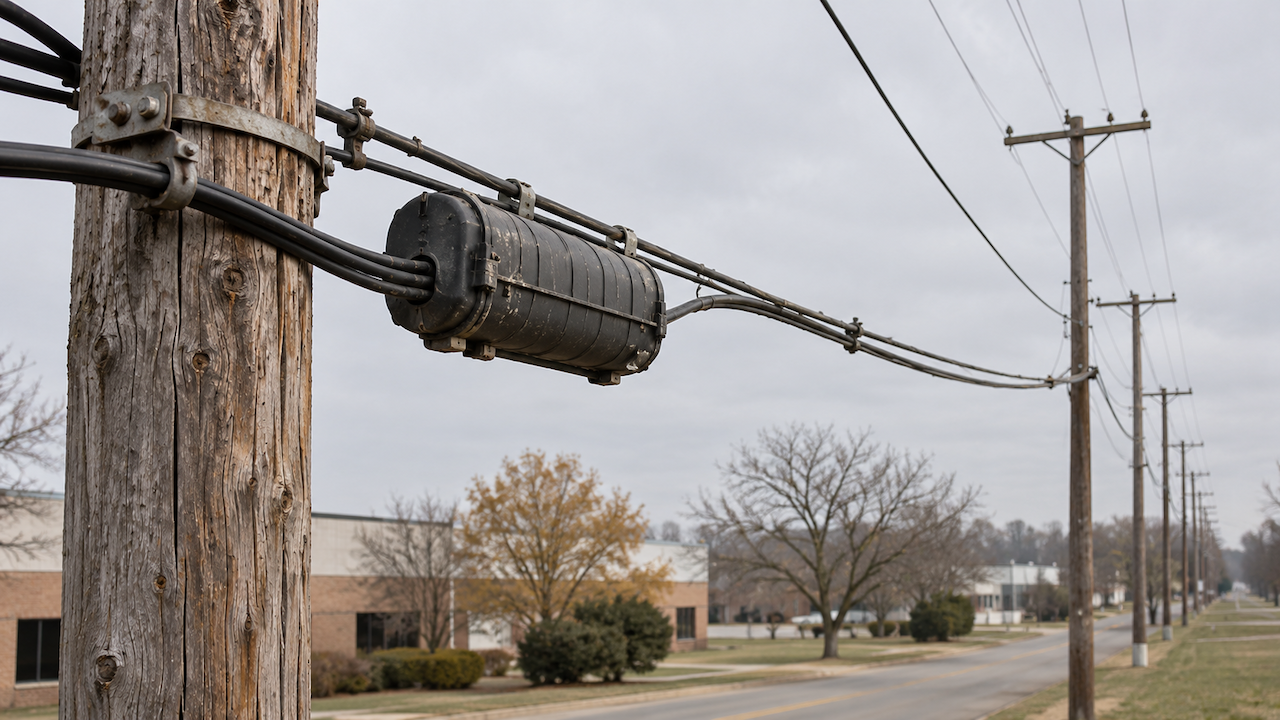
An initial accelerated retirement phase covers approximately one-quarter of Lumen’s copper network, with customer notices expected to begin in December 2026.
Lumen is accelerating its move away from copper, planning to decommission a significant portion of its copper network. In its November 4, 2026, earnings announcement, the company confirmed plans to eliminate its copper-based network in Florida, Iowa, Nevada and Utah as it directs investment toward other strategic interests like enterprise connectivity.
Although Lumen has not announced a nationwide POTS shutdown date, the four states will see its copper-based networks decommissioned by the end of 2027. The acceleration signals a broader change in how the company manages its aging copper infrastructure.
During its earnings call, Lumen CFO Chris Stansbury said the company is “now at the point where the cost of maintaining those services exceeds the value of the revenue,” Lumen plans to mine the copper from its old networks, with CEO Kate Johnson saying, “copper is worth more to us mined than operated,” according to Fierce Wireless.
This mirrors a larger shift in the telecommunications industry, as carriers such as Lumen are moving away from legacy copper networks, making POTS replacement a growing priority for organizations nationwide. AT&T has already started decommissioning its network, with additional eliminations planned in 2027.
The impact extends beyond office phones to fire alarm panels, elevator emergency phones, security systems, and building entry devices that may still depend on analog connections. As copper line retirement schedules vary by carrier and location, organizations need to identify which of their devices depend on copper lines across their facilities and prepare for changes.
The Lumen shutdown timeline
With Lumen eliminating copper-based telecommunications services in the initial four states by the end of 2027, the company has begun rolling out communications to affected customers.
Lumen says customers that are impacted by this rollout will be contacted directly with advance notice and next steps. It may also reach out to better understand affected services and identify critical dependencies.
Notifications for customers begin in December 2026 and potential disconnections for some services may arrive early 2027. The schedule will vary by service and location, making individual carrier notices essential to determining when a particular connection must be replaced.
Lumen copper retirement key dates
- November 4, 2026: Lumen confirms accelerated copper decommissioning in the initial four states in its third-quarter earnings announcement.
- December 2026: Customer notifications, including end-of-sale notices, are expected to begin. Ending new sales is a separate milestone from disconnecting existing service.
- By the end of 2027: Lumen’s target for eliminating copper-based telecommunications services in Florida, Iowa, Nevada and Utah, subject to the applicable transition processes.
- Through May 2027: Affected regulated copper services are expected to remain available, subject to regulatory and contractual requirements. This does not establish a universal May shutdown date.
- First quarter of 2027: Lumen intends related regulatory filings. Disconnections for non-regulated copper services, including broadband internet, could begin as early as Q12027, subject to contractual obligations.
What this means for businesses
Organizations with locations in the announced states should begin reviewing their connections now, using carrier notices to establish deadlines for each site once available. A single building may have several impacted services, managed by different departments and supporting equipment with different replacement requirements.
For organizations elsewhere in Lumen’s footprint, the announcement provides an opportunity to prepare before a local deadline arrives. This includes compiling or confirming inventory of all analog dependent devices now to support future migrations.
How much of Lumen’s copper network is affected?
During the November 4 earnings call, CFO Chris Stansbury described the scale of the initial phase: “We estimate that the initial four states represent approximately 25% of our copper network.”
Lumen has not publicly specified the number of active POTS lines affected by this initiative as of November 6, 2026. The approximately 25% figure measures the share of its copper network represented by those states; it does not establish a count of telephone lines, customers or buildings.
For businesses planning a transition, the relevant count begins at their own locations. Identifying every active line and the device it supports establishes the size of the project and helps prevent essential connections from being overlooked.
The financial reality behind copper retirement
Lumen’s retirement plans reflect a shift in where the company sees its future growth. It says accelerated copper decommissioning will reduce legacy costs and support investment in other areas.
Recovering the copper itself is another part of the financial case. Lumen expects to generate between $1 billion and $1.5 billion in pre-tax net mineable copper proceeds across its footprint over five years. That estimate excludes operating expense savings and depends on customer migrations, regulatory approvals, recovery costs and market conditions and covers the broader footprint rather than the initial states alone.
These economics help explain why organizations should plan beyond the next repair or service renewal.
Identify the connections behind your critical systems
The most difficult part of a POTS replacement project can be determining what each line does. A billing record may identify a telephone number without showing whether it connects to a fire alarm panel, an elevator phone, or equipment that is no longer in use.
Start by bringing IT, facilities, and the people responsible for carrier accounts together. Your IT department may have an internal inventory of copper lines that you can match with facilities’ inventory of devices. You can then match each number to its service address and connected device, then record the contractor or monitoring provider involved. Include fire alarms, elevator phones, security panels, gate and door entry systems, emergency call boxes, pool phones, and fax machines in the review.
That shared inventory gives teams the information they need to prioritize locations and coordinate the work. It also helps ensure that a notice received by billing reaches the people responsible for keeping the connected system operational.
When evaluating a replacement, review the requirements of the equipment it will support, including compatibility, backup power, connection resilience, and management. Work with the relevant contractors to confirm documentation and approval requirements and test each system before disconnecting existing service.
Prepare for the shutdown with the Ooma POTS Retirement Resource Hub
The Ooma POTS Retirement Resource Hub brings together guidance organized around the situations organizations face as legacy services change.
Resources include:
- Carrier notices: Help understanding network changes and identifying next steps after receiving a notice.
- Rising landline costs: Information about increasing phone bills and replacement options.
- Critical system failures: Guidance for situations where essential equipment has stopped communicating.
- Compliance questions: Resources addressing requirements for critical communications.
- Failed inspections: Guidance related to inspection issues involving connected systems.
- Discontinued landline service: Information on what to do when existing service has ended.
Use the resources that match your situation to begin conversations with internal teams, equipment contractors, and service providers. The goal is to establish what needs to change, who is responsible, and how much time the transition will require.
Lumen’s initial accelerated phase gives organizations a concrete reason to begin that work today. Preparing early creates more room to coordinate installations, resolve compatibility questions, and complete testing before a carrier deadline affects building operations.


We’ll follow up within a business day.

We’ll help you analyze whether Ooma AirDial is a good solution for your needs.

A custom quote will be generated.
Tonya Hottmann is the director of marketing for Ooma AirDial. She has 20 years of experience in demand generation, growth marketing and product launches, including 10 years in the telecommunications industry.




Still using POTS lines?
See where they still support critical systems.
Call sales at:
866-902-6765
Thank you!
An Ooma AirDial Sales Representative will be in touch shortly.
866-839-5810



Check your POTS Line Readiness
Download the checklist to review your active POTS lines and connected systems.


